Coffee
Your Coffee Beans Changed and Your Brew Tastes Off. Here’s How to Fix It.
Author:sana
|
Released:March 10, 2026
You know that feeling. You’ve been brewing the same coffee for weeks, got your routine down perfectly, and every cup tastes great. Then you buy a different bag, maybe a lighter roast than usual or something darker, and suddenly your coffee goes from delicious to disappointing. Too sour. Or too bitter. Or just… meh.
It’s easy to blame the beans. But most of the time, the beans aren’t the problem. Your brewing method just hasn’t adjusted to them yet.
Different roast levels behave like different ingredients. A light roast is dense and stubborn. A dark roast is fragile and fast extracting. If you treat them the same way, you’re going to get inconsistent results. The fix is usually pretty simple once you understand a few basic adjustments.
So let’s go through what changes and what you can actually do about it. Read on.
Why Roast Level Changes How You Should Brew
Think of the roasting process like applying heat to a seed over time. A light roast gets less heat for a shorter period. The bean structure stays relatively intact, dense, and less porous. Water has to work harder to get inside and pull out the good stuff.
A dark roast gets pushed longer, sometimes much longer. The bean swells, cracks open more, and becomes brittle and porous. Water rushes in almost instantly, and extraction happens fast.
This explains two common problems. If you take your usual medium roast recipe and use it on a light roast, you’ll likely end up with under extracted, sour coffee because the water didn’t have enough time or heat to break through. If you use that same recipe on a dark roast, you’ll often get over extracted bitterness because the water pulled out too much, too quickly.
There’s no magic single recipe out there. But small changes fix the problem.
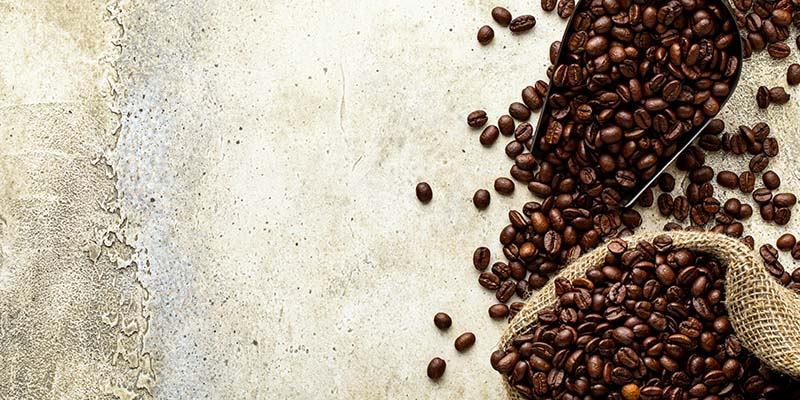
Step 1: Get the Grind Size Right Before Anything Else
Grind size is your most effective lever. Finer grounds = faster extraction. Coarser grounds = slower extraction.
For a light roast, you want to help extraction along. Grind finer than you normally would for a given brew method. If you usually grind medium for your V60, go a notch or two finer. You’ll see better sweetness and less sourness.
For a dark roast, do the opposite. Grind coarser to slow down extraction and avoid bitterness. That bright, fruity cup you loved from your light roast will turn harsh if you grind it the same way for a dark roast.
Let me give you a rough starting point.
For a pour over like V60 or Chemex: light roast around medium fine (think granulated sugar), dark roast around medium coarse (closer to sea salt).
For a French press: light roast medium to medium fine (yes, really, you can go finer than the old coarse grind rule), dark roast coarse but not gravel coarse. For an AeroPress: light roast fine (between espresso and pour over), dark roast medium.
If you switch between very different roasts, clean your grinder more often. Dark roast leaves more oily residue that can stick to burrs and transfer stale flavors to your next light roast.
Step 2: Adjust Water Temperature Like a Real Person, Not a Scientist
Nobody needs to obsess over 1 degree differences. But the general range matters.
Light roasts like hot water. Aim for 96 to 100°C (205 to 212°F). Almost off the boil works fine. The heat helps break through that dense structure and brings out floral, citrusy, or fruity notes.
Dark roasts prefer cooler water. Try 85 to 93°C (185 to 200°F). If you pour boiling water onto a dark roast, you’re practically guaranteed some bitterness and maybe even a burnt rubber taste in extreme cases.
What about medium roasts? Somewhere in the middle, around 90 to 96°C (195 to 205°F). Start there and adjust based on taste.
Here’s a trick that not many home brewers use:
For light roasts, you can start pouring at a slightly lower temperature, say 92°C, and increase your water temperature with each pour up to 98°C. This staggered temperature approach helps extract different compounds at different stages. It sounds a bit fussy, but it works, especially with dense African or high altitude coffees. Just don’t overthink it on a Tuesday morning.
Step 3: Control Brew Time and Agitation
Brew time is obvious—longer contact means more extraction. But agitation is a variable most people ignore. Stirring, swirling, pouring aggressively—all of that increases extraction.
For light roasts, you usually want a longer brew time and a bit more agitation. If you’re doing a pour over, pour with a bit more height and swirl the bed once or twice. For a French press, give it a gentle stir after breaking the crust.
For dark roasts, be gentler. Pour closer to the slurry surface, don’t swirl excessively, and keep the total brew time on the shorter side.
A concrete example. On a V60 with a light roast, aim for total brew time between 3 minutes and 3 minutes 45 seconds. With a dark roast, aim for 2 minutes 30 seconds to 3 minutes 15 seconds. That difference alone can turn a bitter cup into a smooth one.
For immersion brewing like French press, light roasts can handle 4 to 5 minutes. Dark roasts do better at 3 to 4 minutes. And if you use a paper filter in your French press? That actually filters out some of the bitter compounds, so you can push dark roasts a little longer without punishment.
Step 4: Tweak the Coffee to Water Ratio Last
Most standard recipes use a ratio between 1:15 and 1:18 (coffee to water). Changing the ratio affects strength and also affects perceived extraction.
With light roasts, a slightly tighter ratio (like 1:14 or 1:15) gives you more body and helps mask any remaining sourness if you’re still under extracting. But some light roasts actually shine at 1:17 because the extra water pulls out more delicate sweetness. You have to taste and decide.
With dark roasts, a tighter ratio like 1:14 or 1:15 often works better because it produces a richer mouthfeel that stands up to the heavy roasted flavors. A weak ratio like 1:18 can make a dark roast taste hollow and oddly more bitter.
A mistake people make is changing the ratio wildly before fixing grind or temperature. Fix grind and temp first. Then adjust ratio for strength, not to fix extraction problems.
Extra Details Most Guides Leave Out
Water quality
Tap water with high hardness or chlorine ruins any roast level. But soft water with low mineral content actually under extracts coffee, especially light roasts.
You want some calcium and magnesium. If your light roast still tastes flat even after all the adjustments, try a bottled water with moderate hardness or use a third wave water packet. Dark roasts are more forgiving with average tap water, but they still benefit from filtered water.
Filter type matters more than you think
Thick paper filters (like Chemex) trap more oils and produce a cleaner cup, which is great for light roasts. For dark roasts, a metal filter or a thinner paper filter lets more body through, which can soften the perception of bitterness. Experiment.
Bloom time isn’t the same for every roast
Light roasts hold onto CO2 longer because their structure is intact. Give them a 45 to 60 second bloom with about twice the coffee weight in water. Dark roasts degas faster, so 30 to 40 seconds is plenty. If you skip the bloom entirely on a light roast, you’ll get uneven extraction and a weird sour grassy taste.
Bypass brewing is a lifesaver for dark roasts that went wrong
If you accidentally over extracted a dark roast and it tastes too bitter, add a small amount of clean hot water directly to the finished cup. This “bypass” dilutes the bitterness without making it weak. It sounds like cheating, but specialty coffee shops do it all the time with dark roasts.
How to Tell What’s Going Wrong
If your coffee tastes sour, sharp, and lacks sweetness, that’s usually under extraction. It happens most often with light roasts. The fix is to grind finer, use hotter water, or brew longer.
If your coffee tastes bitter, harsh, and leaves a dry feeling in your mouth, that’s over extraction. Dark roasts do this easily. Go coarser, lower your water temperature, or shorten the brew time.
If the coffee is weak, watery, and has low intensity even though you feel like you used enough grounds, your ratio might be too long or your grind too coarse for that particular roast. Use more coffee (a tighter ratio) or grind finer.
And if the cup tastes flat and dull, with no clear flavor notes at all, your beans are probably too old, or your water temperature is too low for both roasts. Buy fresher beans, store them properly, and turn up the heat.
Finally, a specific dark roast problem. If you get ashy, smoky, or burnt flavors, that means your dark roast got hit with water that was too hot and a grind that was too fine. Coarsen your grind and drop the temperature significantly.
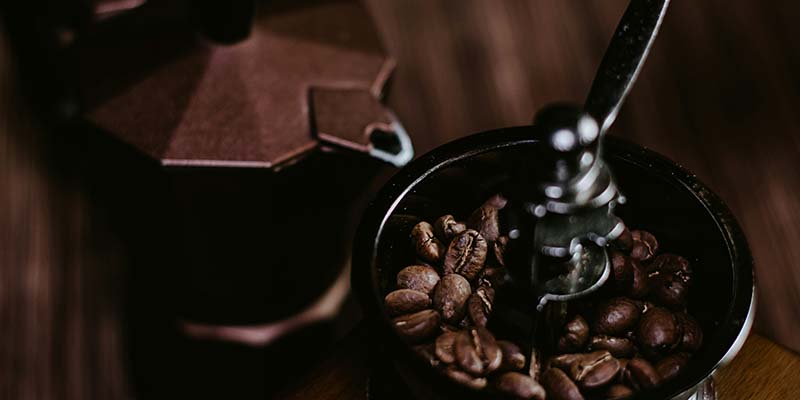
What About Stale Beans? Because We All End Up With Old Bags Sometimes
Coffee doesn’t stay the same after roasting. After about two to four weeks, even stored well, those delicate compounds degrade. Oxidation and degassing rob you of aroma and flavor.
For slightly old light roasts, grind finer than usual to increase surface area. You’re trying to squeeze out what’s left. For old dark roasts, they become even more brittle and soluble, so go coarser or use slightly cooler water to avoid hitting extreme bitterness.
One practical trick: if your beans are past their prime, try a slightly higher coffee dose (tighter ratio) to compensate for lost flavor intensity. It’s not a perfect fix, but it helps.
Store beans in an airtight container away from light, heat, and humidity. Do not put them in the fridge or freezer unless you’re freezing them in small vacuum sealed portions for long term storage. Daily fridge storage introduces condensation and ruins them faster.
Just Start With One Change
Look, you don’t need to adjust all five variables at once. Pick one. If your light roast tastes sour tomorrow morning, grind finer. Keep everything else the same. Taste again. If it’s better but still a little sharp, increase your water temperature the next day. Small changes add up faster than you think.
Keep a small notebook or just a note on your phone. Write down what you changed and whether it helped. After four or five brews, you’ll have a custom recipe for that specific bag.
And when you buy a completely different roast next month? You’ll know exactly where to start.
You May Like
-

-
Coffee
Barrel-Aged Coffee Beans: Taste Profiles and Aging Techniques
-
Guide
Coffee Omakase: Personalized Tasting and Craft Coffee Experiences
-
Guide
Why Your Espresso Tastes Sour and The Simple Way To Fix The Flavor
-
Coffee
Why Every Serious Barista Needs an Electric Burr Grinder
-
Recipe
Turkish Coffee: The Intense, Foamy Recipe Your Kitchen Needs Today